A Guide to SEO for E-commerce Websites in South Africa
- Katina Ndlovu

- Mar 6
- 6 min read
Updated: Mar 27
What is SEO for E-commerce and Why is it Crucial for South African Businesses?
SEO for e-commerce optimizes online stores for higher search engine rankings. For South African businesses, this means connecting with a growing online consumer base and competing effectively. Without a strong SEO strategy, even excellent products can remain undiscovered.

How Does SEO Specifically Benefit E-commerce in South Africa?
In South Africa, expanding internet penetration and maturing online shopping habits make e-commerce SEO vital. It increases organic traffic, conversion rates, and revenue. Localized SEO is crucial for capturing consumers searching for products and services within their geographical area. For example, a Cape Town craft store can use local SEO to appear for "handmade gifts Cape Town," attracting local buyers.
What are the Foundational Pillars of E-commerce SEO Success in South Africa?
Building a robust e-commerce SEO strategy requires attention to several key areas. These pillars ensure your website is discoverable and provides a valuable, trustworthy experience for users and search engines.
How Can Technical SEO Improve Your Online Store's Performance?
Technical SEO optimizes your site's infrastructure to meet search engine guidelines, covering speed, mobile-friendliness, crawlability, and security. For South African e-commerce, fast loading times are paramount due to varying internet speeds. A "Digital Commerce Africa" study [1] found a 1-second page load delay could reduce conversions by 7% for local retailers. Mobile responsiveness is also critical, as many South African internet users access the web via mobile devices.
Key technical considerations include:
Site Speed Optimization: Compress images, leverage browser caching, and minimize code.
Mobile Responsiveness: Implement a responsive design for all devices.
SSL Certificate (HTTPS): Secure your website to protect customer data and build trust.
XML Sitemaps: Help search engines discover and index all product pages.
Robots.txt: Guide search engine crawlers on page access.
What Role Does On-Page SEO Play in Attracting South African Shoppers?
On-page SEO optimizes individual web pages for higher rankings and relevant traffic. This includes content, keywords, titles, meta descriptions, and internal linking. For South African e-commerce, this means understanding local search terms, slang, and consumer behavior. A retailer selling traditional South African attire might optimize for "Shweshwe dresses online" or "Xhosa traditional wear."
Effective on-page strategies include:
Keyword Research: Identify high-volume, relevant keywords specific to the South African market.
Product Page Optimization: Craft unique, detailed product descriptions with target keywords.
Category Page Optimization: Optimize category pages with descriptive content and relevant keywords.
Title Tags and Meta Descriptions: Write compelling, keyword-rich titles and meta descriptions.
Internal Linking: Create a logical internal linking structure to distribute link equity and improve navigation.
How Can Off-Page SEO Build Authority for Your E-commerce Brand?
Off-page SEO involves actions outside your website to impact rankings, primarily through building authority and credibility via backlinks. For South African e-commerce, this could mean collaborating with local influencers, getting features on South African lifestyle blogs, or securing mentions in local news. A "SA E-commerce Insights" report [2] showed e-commerce sites with diverse backlink profiles saw a 35% increase in organic traffic.
Strategies for off-page SEO include:
Link Building: Acquire high-quality backlinks from authoritative and relevant websites.
Social Media Marketing: Promote products and content across popular social platforms.
Online Reviews: Encourage positive reviews on platforms like Google My Business and HelloPeter.
Local Citations: Ensure consistent business information across online directories.
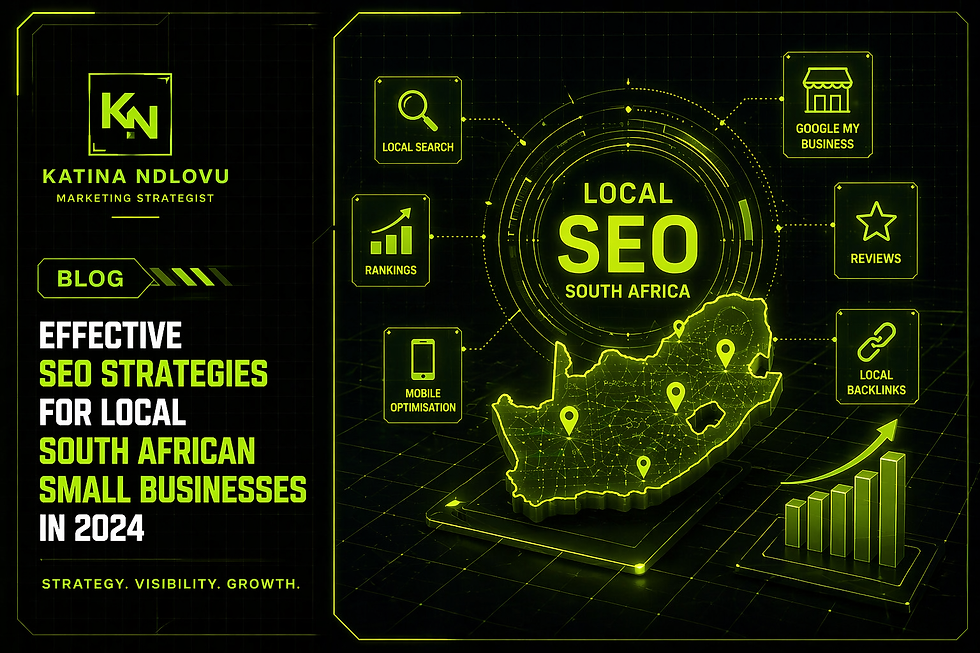
How Can Local SEO Drive Sales for South African E-commerce Businesses?
Local SEO is powerful for e-commerce businesses with a physical presence or those catering to specific South African regions. It helps your business appear in local search results, like Google Maps, when customers search for nearby products or services.
What are the Best Practices for Local SEO in South Africa?
Optimizing for local search ensures your business is visible to local customers, especially for click-and-collect or physical showrooms.
Key local SEO tactics:
Google My Business (GMB) Optimization: Create and optimize your GMB profile with accurate information.
Local Keyword Targeting: Incorporate location-specific keywords (e.g., "best biltong online Johannesburg").
Online Reviews and Ratings: Actively solicit and respond to customer reviews on GMB and other local platforms.
Local Link Building: Seek backlinks from local businesses and community organizations.
What are Advanced SEO Strategies for E-commerce in the South African Market?
Beyond foundational elements, advanced SEO strategies can give South African e-commerce businesses a competitive edge, helping them capture niche markets and leverage emerging technologies.
How Can Voice Search Optimization Impact E-commerce?
Voice search optimization is increasingly important with smart speakers and voice assistants. Voice searches are longer, more conversational, and question-based. For South African e-commerce, anticipate how customers might verbally ask for products. For example, instead of "buy traditional South African clothing online," a voice search might be "Where can I find authentic Shweshwe dresses near me?" [4]
Tips for voice search optimization:
Focus on long-tail keywords: Mimic natural speech patterns.
Answer common questions: Structure content to directly answer customer queries.
Optimize for local intent: Many voice searches have a local component.
Why is Content Marketing Essential for E-commerce SEO in South Africa?
Content marketing, integrated with SEO, boosts visibility and authority. By creating valuable, relevant content, businesses attract and retain audiences, driving profitable customer action. For the South African market, this could involve blog posts about local fashion trends, video tutorials on using traditional South African cooking ingredients, or guides to unique travel destinations featuring local products [5].
Effective content marketing strategies:
Blog Posts: Publish high-quality articles related to your products and industry.
Video Content: Create engaging product reviews, how-to guides, or behind-the-scenes content.
Infographics: Present complex information visually.
User-Generated Content: Encourage customers to share experiences.
How Does User Experience (UX) Influence E-commerce SEO?
User experience (UX) is a critical, often overlooked, SEO component. Search engines prioritize websites with positive UX, including intuitive navigation, fast loading times, clear calls to action, and a seamless checkout process. Poor UX leads to high bounce rates, signaling low relevance to search engines. An "African E-commerce Trends" report [3] found optimized UX led to 20% higher conversion rates.
Key UX elements for SEO:
Intuitive Navigation: Easy product finding.
Clear Calls to Action (CTAs): Guide purchasing journey.
Streamlined Checkout Process: Minimize friction, reduce cart abandonment.
High-Quality Product Images and Videos: Effective product showcasing.
Customer Support Accessibility: Easy access to help.
What are the Key Performance Indicators (KPIs) for E-commerce SEO in South Africa?
Measuring SEO success is crucial for understanding what works and where improvements are needed. Tracking the right KPIs helps South African e-commerce businesses make data-driven decisions to refine strategies and achieve objectives.
How Do You Measure the Effectiveness of Your E-commerce SEO Strategy?
Monitoring various metrics provides insights into website performance in search engines and its business impact. These metrics help understand traffic sources, user behavior, and conversion rates.
Important SEO KPIs to track:
Organic Traffic: Visitors from search engines.
Keyword Rankings: Website's position in SERPs for target keywords.
Conversion Rate: Percentage of visitors completing a desired action.
Bounce Rate: Percentage of visitors leaving after one page.
Average Session Duration: Time visitors spend on your site.
Revenue from Organic Search: Sales generated from organic search traffic.
FAQs
1. What is SEO for e-commerce in South Africa?
SEO for e-commerce in South Africa involves optimising online stores to rank higher in search engines and attract local customers searching for products.
2. Why is SEO important for South African online stores?
SEO increases visibility, organic traffic, and conversions, helping businesses compete in a growing digital market.
3. How does local SEO help e-commerce businesses in South Africa?
Local SEO targets location-based searches, helping businesses appear in results for queries like “products near me” or city-specific searches.
4. What are the key components of e-commerce SEO?
The main components are technical SEO, on-page optimisation, off-page authority building, and local SEO strategies.
5. How can technical SEO improve an online store?
Technical SEO improves site speed, mobile usability, and crawlability, which enhances user experience and search engine rankings.
6. What role does content marketing play in e-commerce SEO?
Content marketing attracts and engages users through blog posts, videos, and guides, improving visibility and supporting SEO performance.
7. Which KPIs should be tracked for e-commerce SEO?
Key KPIs include organic traffic, keyword rankings, conversion rate, bounce rate, session duration, and revenue from organic search.
Conclusion: Empowering Your E-commerce Success in the South African Digital Landscape
Navigating e-commerce SEO in South Africa requires a strategic, multi-faceted approach. Focusing on technical excellence, compelling on-page content, robust off-page authority, and localized strategies enhances online visibility and drives sustainable growth. SEO is an ongoing process of optimization and adaptation. Embrace these strategies, continuously monitor performance, and position your e-commerce business for unparalleled success in the vibrant South African market.
References
Digital Commerce Africa. (2023). *The Impact of Page Load Speed on E-commerce Conversions in Africa*.
SA E-commerce Insights. (2024). *Backlink Profile and Organic Traffic Growth in South African E-commerce*.
African E-commerce Trends. (2023). *User Experience and Conversion Rates in African Online Retail*.
South African Digital Marketing Institute. (2024). *The Future of Voice Search in Local E-commerce*.
E-commerce Growth Council of South Africa. (2023). *Strategic Content Marketing for Online Retailers*.
If your business has evolved but your brand still reflects an earlier version of what you do, this work focuses on realigning positioning so your expertise is understood accurately.
You can explore related case studies below or get in touch to discuss how your brand is currently being positioned and interpreted.


Comments